Signage & Vehicle Wrap Solutions

Expert guidance on designing, producing, and deploying professional signage systems for commercial success.

What This Guide Covers

The capability landscape for professional signage has expanded dramatically. Between custom fabrication, large-format printing, vehicle graphics, and installation standards, there's more to understand than ever. This guide walks through the core services, what makes them different, and how to evaluate quality.

The Service Categories

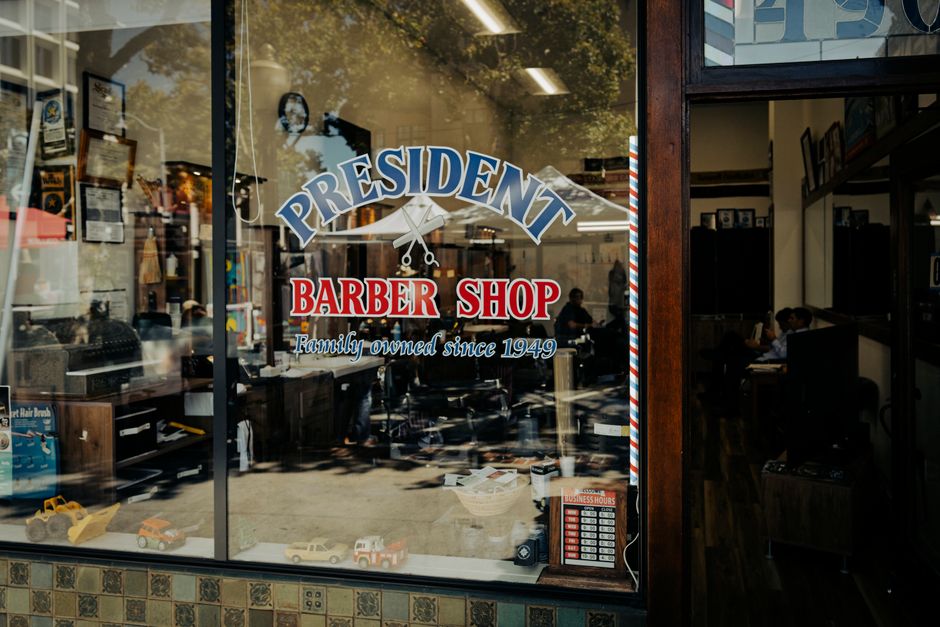
Professional storefront signage display

Custom Signage Fabrication

From channel letters to dimensional signs, custom fabrication delivers branded presence that stands out. Whether it's illuminated lettering, solid color panels, or 3D logos, the work reflects both design vision and production precision.
Large-format print signage production

Large-Format Printing

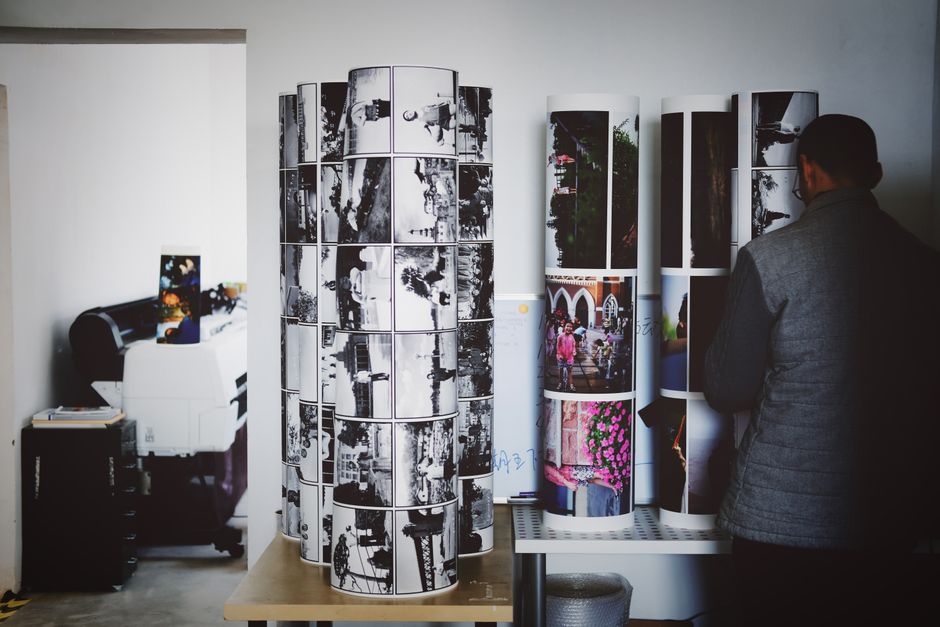
Modern print technology enables high-resolution graphics on vinyl, canvas, or rigid substrates. The versatility supports everything from banners and wall graphics to window displays, all produced to exacting color and durability standards.

Professional truck wrap vehicle graphics

Vehicle Wraps & Fleet Graphics

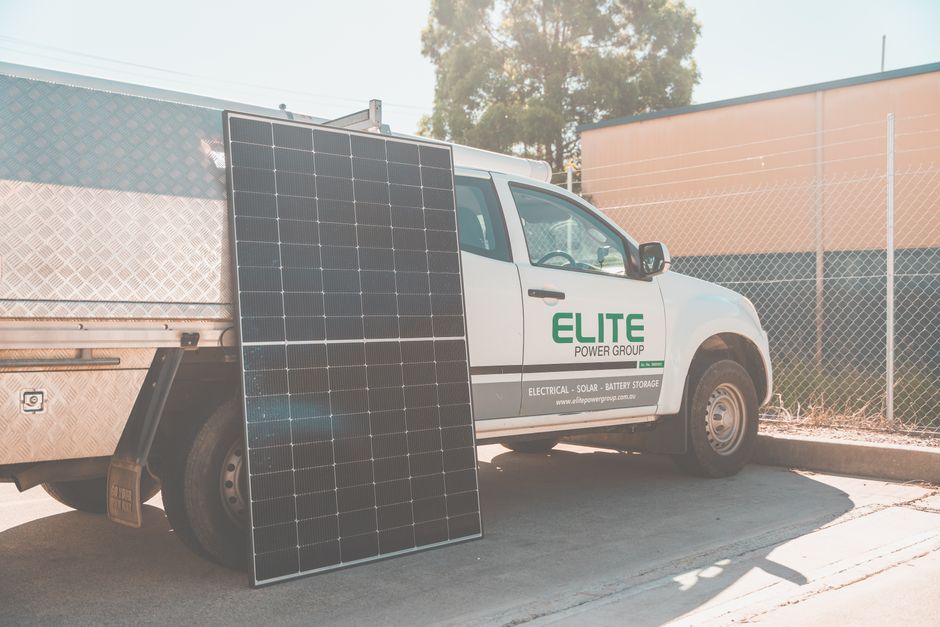
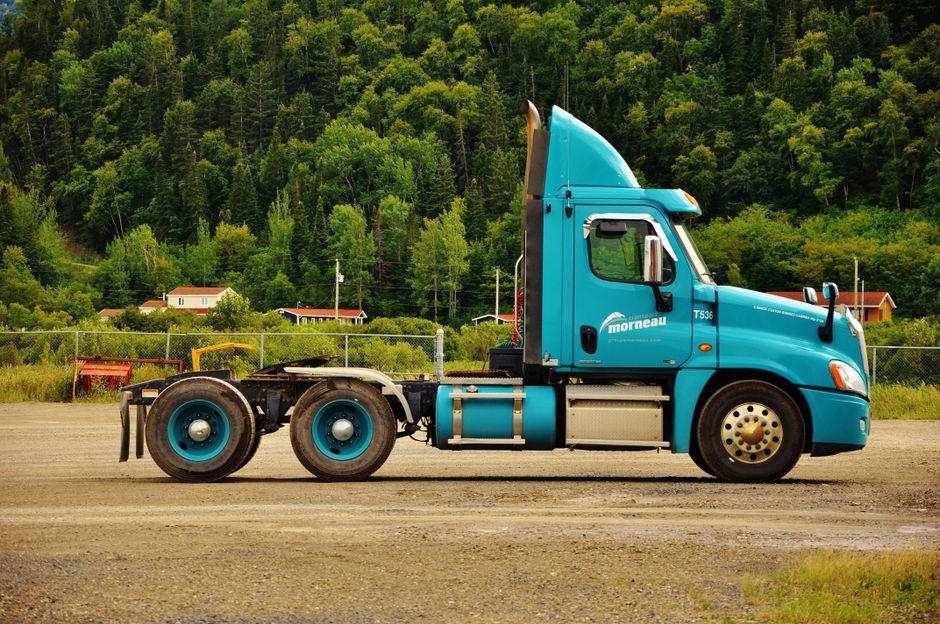
Vehicle graphics turn commercial fleets into moving billboards. Wraps require precision design, professional installation, and adherence to weight and visibility regulations. The result—when done properly—delivers both aesthetics and legal compliance.

Professional sign installation work

Installation & Site Coordination

Fabrication is only half the work. Professional installation ensures proper alignment, secure mounting, electrical integration (where needed), and adherence to local codes. Site coordination ties it all together, from permits to final approval.

Standards & Industry Benchmarks

Professional signage work depends on adherence to industry standards. We hold our work to the standards set by the International Sign Association, the trade body for the sign and visual-communications industry, and PRINTING United Alliance, the leading association for specialty and wide-format printing used in signage and vehicle graphics.

These organizations establish guidelines for materials, production techniques, durability, and safety. They also provide resources on emerging technologies, sustainability, and best practices that help ensure your signage investment delivers lasting impact.

Common Questions & Considerations

How long do vehicle wraps typically last?

Quality vinyl wraps, professionally installed and maintained, last 5–7 years in standard conditions. Exposure to intense UV, salt air, or extreme temperature fluctuations can shorten lifespan. Maintenance—regular washing and avoiding harsh chemicals—extends durability significantly.

What's the difference between illuminated and non-illuminated signage?

Illuminated signs (channel letters, LED panels, neon) draw attention 24/7 and reinforce brand visibility at night. Non-illuminated signs rely on ambient light or reflective materials. Illuminated options cost more upfront but often deliver better ROI through increased visibility and perceived professionalism.

Are there restrictions on vehicle graphics or truck lettering?

Yes. Commercial vehicles must comply with visibility and marking requirements set by regulatory bodies. Truck lettering must include legible company name and DOT numbers where required. Vehicle wraps must maintain sufficient contrast and avoid obscuring windows or safety features. Local zoning laws may also restrict sign size and placement.

How is design quality measured?

Good design balances visibility, brand consistency, and clarity. Color choices must account for readability in daylight and artificial light. Typography should be legible at typical viewing distances. Overall composition should reflect your brand identity while serving its functional purpose—whether that's directions, branding, or promotion.

The Process: From Concept to Installation

1. Strategy & Design

Define your signage goals, audience, placement, and brand integration. Design work includes mockups, color selection, and typography choices. This phase sets the foundation—rushed design often leads to costly revisions later.

2. Production Planning

Once design is approved, determine materials, fabrication methods, and timelines. Large-format printing requires file preparation and proofing. Custom fabrication may involve metal work, welding, or specialty techniques. Vehicle wraps need precision template creation.

3. Quality Control & Proofing

Before full production, verify proofs and samples. This catches color issues, alignment problems, or material concerns while changes are still low-cost. Professional shops build this step into every project.

4. Fabrication & Production

Execute the design using approved methods and materials. This might be vinyl printing, metal fabrication, electrical wiring, or assembly. Each discipline requires trained technicians and quality equipment.

5. Installation & Verification

Professional installation ensures proper alignment, secure fastening, and functional completeness. For illuminated signs, this includes electrical testing. Site conditions are evaluated, and local codes are verified before sign-off.

Ready to Discuss Your Signage Needs?

Whether you're planning a new installation, refreshing existing signage, or exploring fleet graphics for your vehicles, we can connect you with experienced professionals.